Clinical centers involved in TAP-GRIN
Center 02
Hospices Civils de Lyon (HCL)
Partner information
Hospices Civils de Lyon is a public center of excellence and the second largest university hospital network in France. It brings together 14 multidisciplinary or specialized establishments and is ranked among the 25 best hospitals in the world.
Country and location: Lyon, France. Organisation type: public hospital. Website: chu-lyon.fr.
Project work & role
HCL is partner in WP1 and WP2 for data acquisition including neurophysiology, WP3 for clinical variants, and WP5 to WP7 for biomarker integration, management, dissemination, exploitation and communication.
The Lyon team will act as an investigational center for French patients, with planned inclusion of 15 participants. The center contributes randomized, double-blind, placebo-controlled N-of-1 trial activities together with EEG, TMS, behavioral, cognitive and seizure-related assessments.
Team profiles
 Dr. Eleni Panagiotakaki
Principal investigator for France
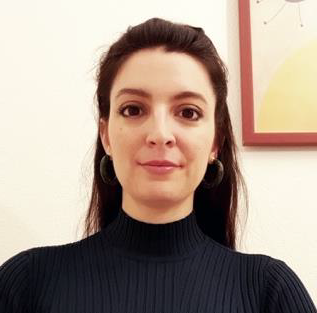 Dr. Matthildi Papathanasiou
Co-investigator in France
 Dr. Joseph Toulouse
Co-investigator in France
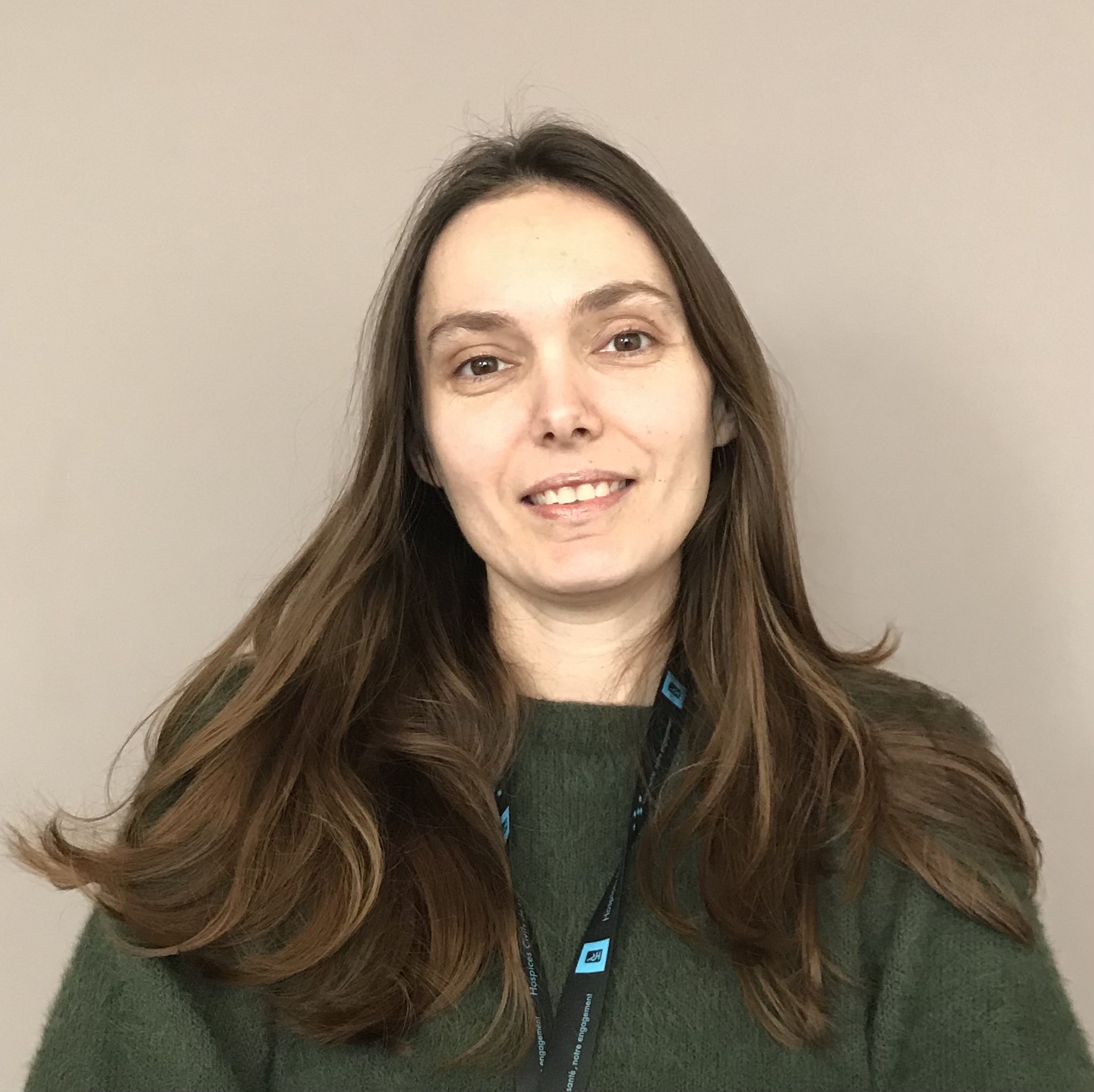 Dr. Maria Papadopoulou
Co-investigator in France
 Dr. Gaëtan Lesca
Co-investigator in France
 Dr. Flora Dubras
Neuropsychologist
 Dr. Anaïs Beaumont
Clinical Research Associate
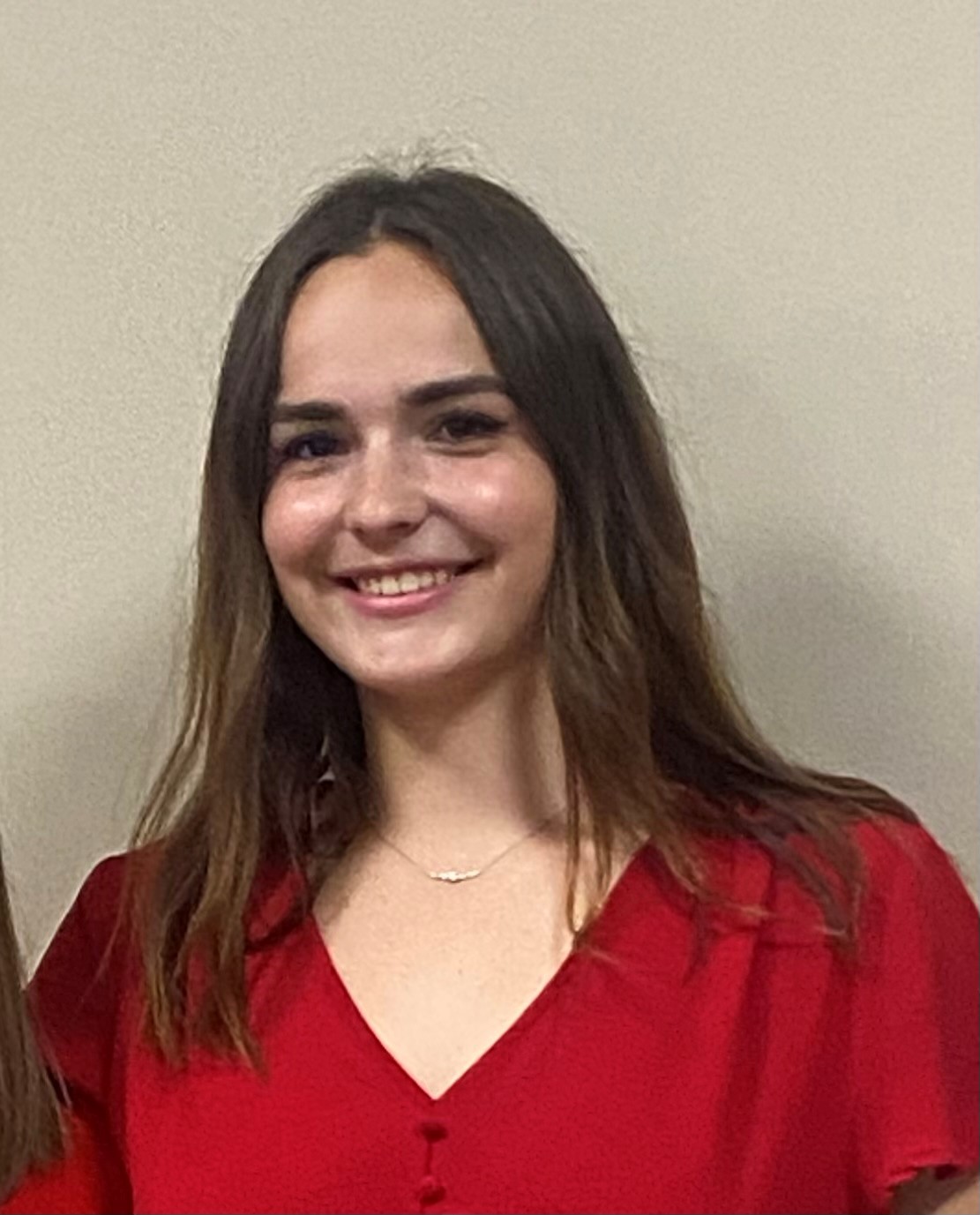 Dr. Léa Barbieri
Clinical Research Associate
Center 03
The Children’s Memorial Health Institute (CMHI)
Partner information
The Children’s Memorial Health Institute in Warsaw is the largest and best-equipped institute of pediatric healthcare in Poland. It combines clinical care, research and teaching, and collaborates with leading medical schools and non-governmental organizations.
Country and location: Warsaw, Poland. Website: czd.pl.
Project work & role
CMHI participates across all TAP-GRIN work packages, with a major role in the randomized, double-blind, placebo-controlled multicenter L-serine study.
The center contributes to repeated treatment cycles, safety monitoring, neurological examination and standardized periodic evaluations including CGI, CBCL or ABCL, Vineland or ABAS-3, EpiTrack, MABC-2 and PSQI.
Team profiles
 Prof. Sergiusz Jóźwiak
Site leader
Center 01
Meyer Children’s Hospital IRCCS
Partner information
Meyer Children’s Hospital IRCCS in Florence is the coordinating clinical center of TAP-GRIN and hosts the Department of Neuroscience and Human Genetics.
Meyer provides the overall clinical coordination of the project and supports patient recruitment, precision medicine interpretation and communication between the partner centers.
Project work & role
Meyer leads the main clinical and neurophysiological work, especially WP1 and WP2, and acts as the coordinating site for trial organization, biomarker integration and interpretation of translational results across the consortium.
Team profiles
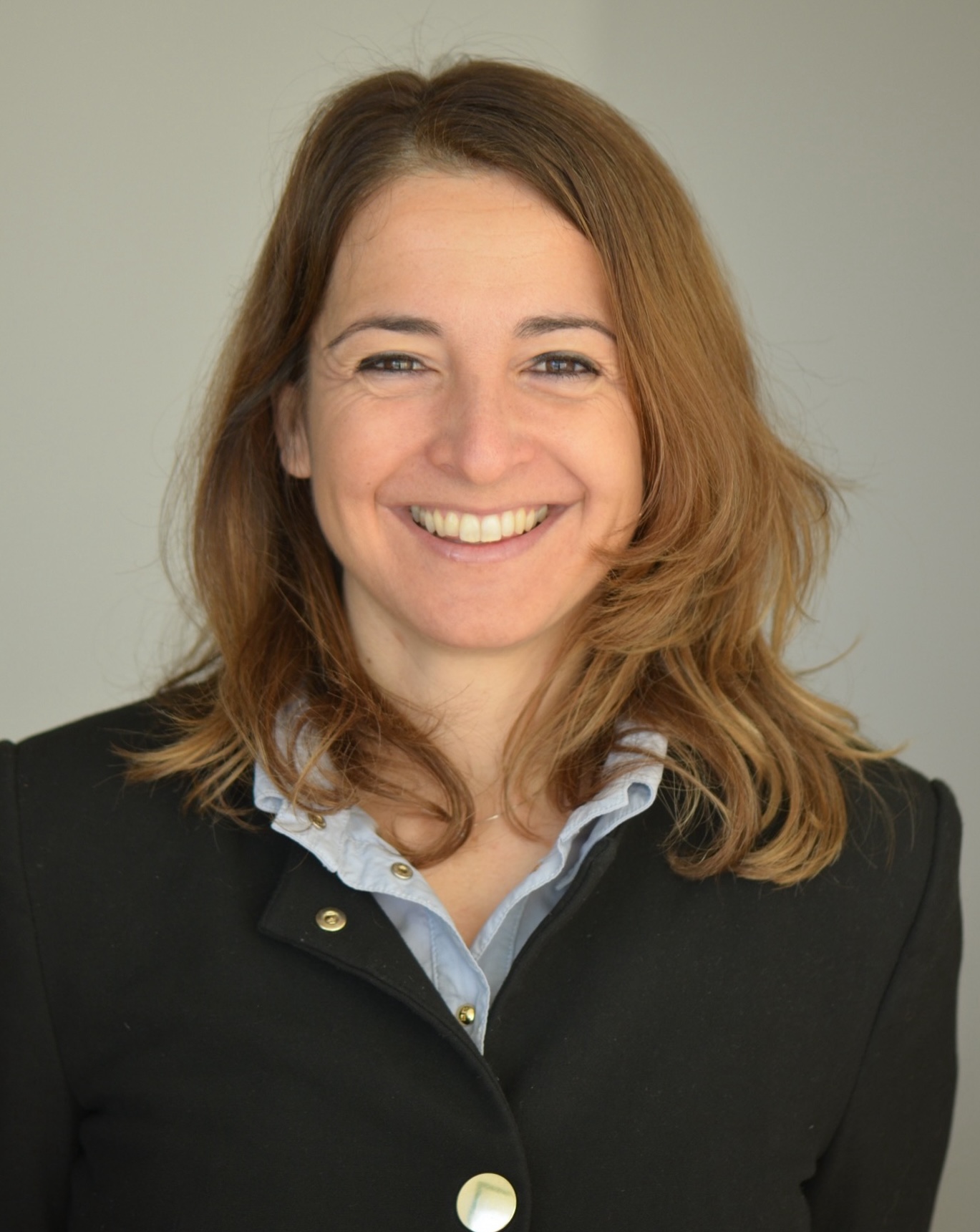 Prof. Simona Balestrini
Project coordinator
 Dr. Giulio Peroni
Coordination contact
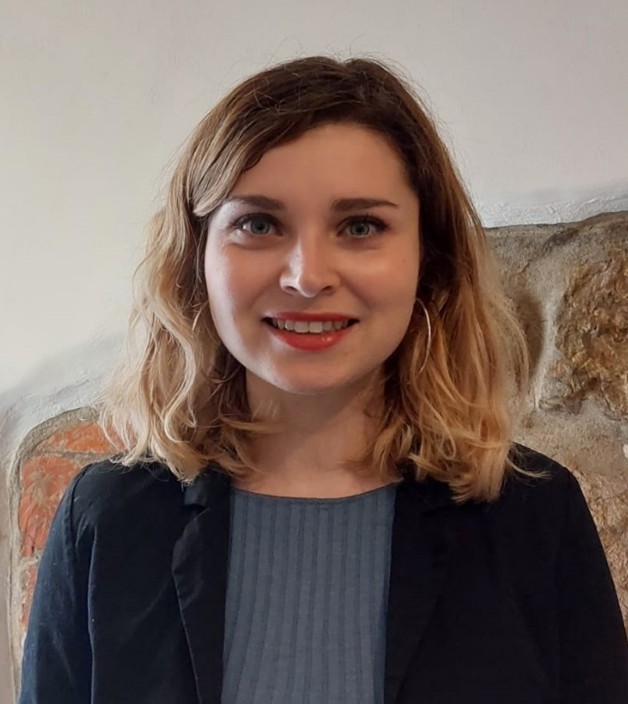 Dr. Daniela Graziani
Neuropsychological assessment
 Dr. Katia Tortora
Project manager
 Dr. Alessandra Pugi
Regulatory specialist
 Dr. Ilaria Galli
Clinical monitoring
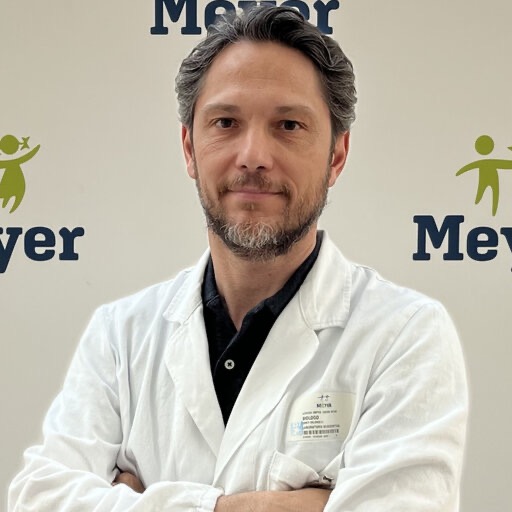 Dr. Valerio Conti
Cellular neurobiology
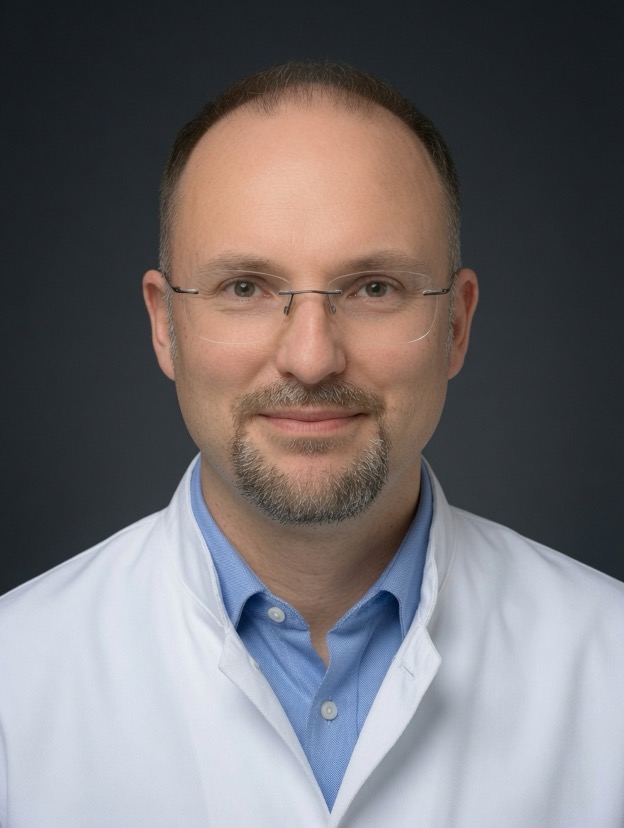 Dr. Davide Mei
Genotype-phenotype analysis
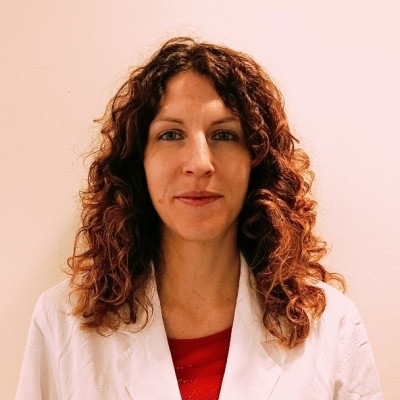 Dr. Cristiana Pelorosso
Health Researcher
Cristiana Pelorosso is a neurobiologist and pharmacologist specialized in studying the functional mechanisms of genetic variants in patients with developmental and epileptic encephalopathies and cortical malformations, working at the intersection of cellular neuroscience and translational research. She earned her PhD in Pharmacology and Innovative Treatments and her postgraduate specialization in Clinical Pharmacology and Toxicology at the University of Florence.
Her trajectory includes international research experiences at the Max F. Perutz Laboratories in Vienna, the Institute of Neurobiology (INMED) in Marseille, NYU Langone Medical Center in New York, and the Paris Brain Institute (ICM). She currently serves as a Health Researcher within the Research Unit of Cellular and Morphofunctional Neurobiology at the Meyer Children’s Hospital IRCCS, where her work focuses on using patient-derived neuronal lines to functionally characterize genetic mutations associated with neurodevelopmental disorders. Her experimental approach integrates electrophysiology (patch-clamp and MEA), confocal microscopy, single-cell isolation (DEPArray and laser microdissection), and multi-omics/genome engineering techniques.
Within TAP-GRIN, Dr. Pelorosso contributes to the preparation of patient-derived samples for iPSC generation and to the functional analysis of the resulting human neural cells.